
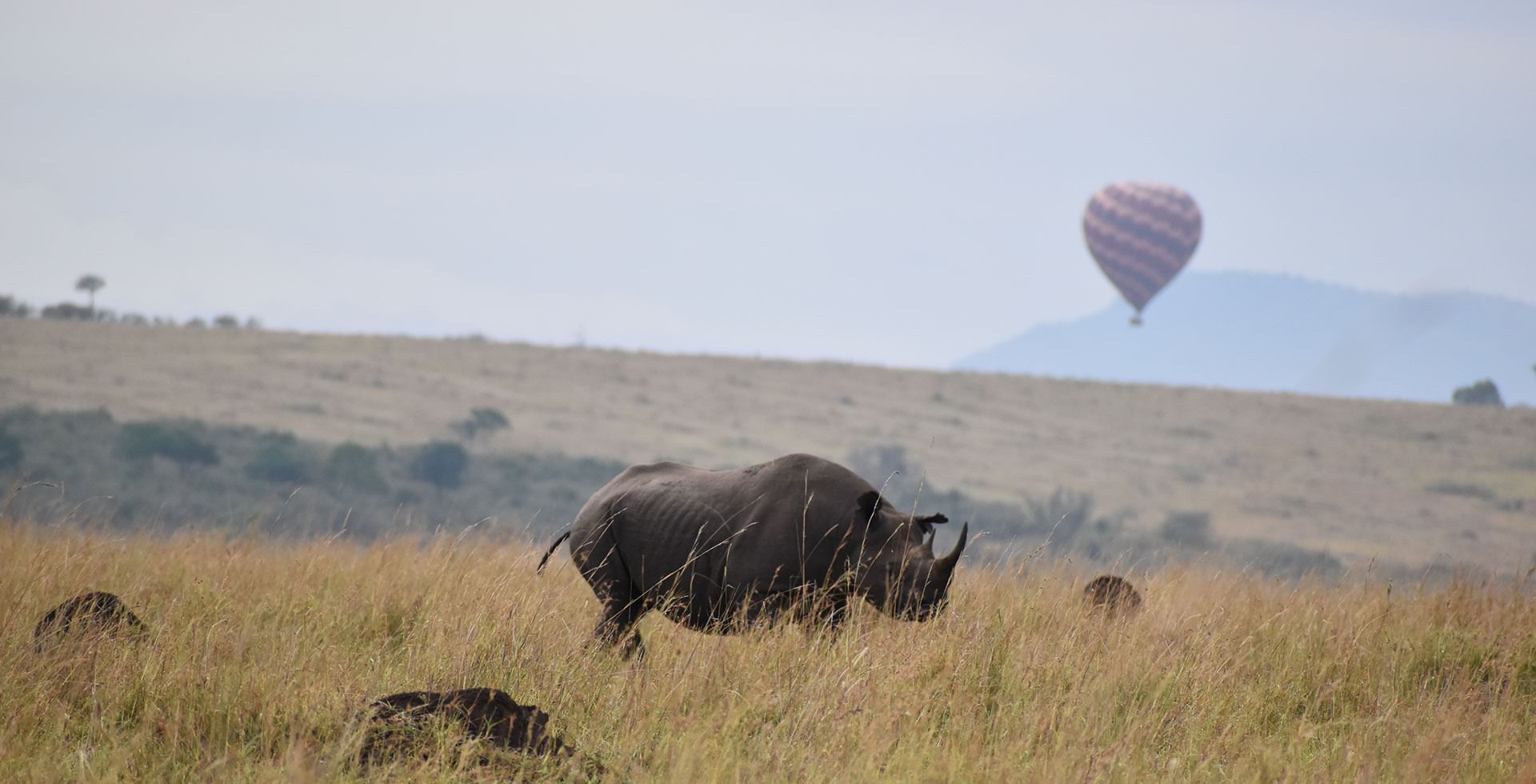
July to October is the best time to visit the Maasai Mara if the Great Migration is at the top of your list. For a safari focused on lions, elephants and other resident wildlife, January and February are a good alternative. If you prefer green landscapes and fewer vehicles, consider travelling during a rainy period and leave room for weather changes.
July to October for the Great Migration
If this is your first Mara safari and you want to see the migration, start with August or September. The wider July-to-October window gives you more flexibility if your dates are fixed. Expect more vehicles around popular sightings, and book early if you have a particular camp in mind.
A herd can gather by the Mara River and turn back without crossing. Where the wildebeest go depends partly on rainfall and grazing, so even during peak season a crossing is never guaranteed. Plan for several game drives and give your guide room to follow the wildlife. The Mara Conservancy’s migration guide explains why crossings are hard to predict and how to watch them without disturbing the herds.
January and February for resident wildlife
The Mara has excellent wildlife viewing year-round. January and February are generally drier than the long-rains months, making them a good choice if you want a classic game-drive safari outside the main migration season. Set out early for a chance to see predators active before the day warms up, and head out again in the late afternoon for softer light. Lions, elephants, giraffes and hippos can be seen even when the migratory herds are elsewhere.
April and May for green landscapes
The long rains can turn the plains a vivid green. Consider April or May if you enjoy landscape photography, have flexible dates and are happy to work around showers. Wet tracks can change which areas your guide can reach, and taller grass can make some animals harder to spot. Check with your guide or camp about road conditions before you travel.
How many nights should you spend in the Mara?
For a first visit, aim for three nights if your itinerary allows. That typically gives you two full days for game drives, so you can explore different parts of the reserve and adjust if the weather or wildlife changes your plans. If you only have two nights, choose a camp close to the area you most want to explore to spend less time driving to and from sightings.
For more background, see Magical Kenya’s Great Migration guide.
Ready to choose your dates? Explore our Maasai Mara safaris or plan your trip with Unique Preen Safaris.